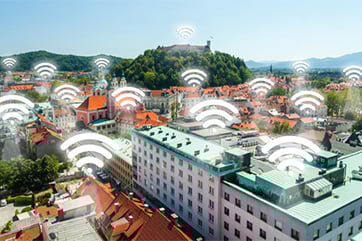
Dojo Networks Lights Up Managed Fiber Internet Across Eight State College Apartment Communities
1,084 apartment homes in 159 buildings move onto fully managed, property-wide WiFi




The benefits of managed WiFi cannot be understated in 2026. Managing a multi-tenant property can be challenging, and one area where you cannot fail is providing reliable internet services. When the internet service is lagging, your on-site team can quickly be overwhelmed with tenant complaints, while also trying to rectify the issue. When the burden of managing the internet service falls squarely on your shoulders, it consumes valuable time and resources that could be better allocated elsewhere. Unreliable or slow internet access not only affects tenant satisfaction but also puts strain on the property owner's ability to efficiently manage the property and retain tenants.
Fortunately, a properly designed, installed, and supported managed WiFi network can alleviate the pain, increase resident satisfaction, increase your property value, and boost operating income. How?
Managed WiFi setup, maintenance, and support are handled by the WiFi vendor, ensuring consistent performance and security standards across the property and relieving the on-site management team of their internet support duties.
Tenants and potential renters seek not just amenities but also convenience. By offering reliable, property-wide WiFi services, your community will have a competitive advantage over neighboring properties. Vacancies will be minimal, and you may be able to charge premium rental rates while reducing labor costs.
 The Hidden Costs of Unmanaged WiFi in Multi-Tenant Properties
 The hidden costs of unmanaged WiFi in multi-tenant properties extend beyond the initial setup and equipment expenses. Property owners must consider the long-term implications of poor internet service quality, including:
 Managed WiFi solutions maintain consistent high speeds by employing continuous network monitoring and making real-time optimizations to ensure peak performance. They offer roaming between access points to prevent interruptions in connectivity, and regular firmware and software updates enhance the network’s ability to meet growing demands. Strategic placement and configuration of access points by professionals minimize dead zones and reduce interference, ensuring strong coverage throughout the area.
Several factors contribute to faster speeds in managed WiFi environments. Allocating dedicated bandwidth ensures that there is ample capacity for all users. The use of advanced equipment, including the latest WiFi technology and high-performance access points, greatly enhances speed and capacity. Efficient channel management helps to minimize interference and optimize the flow of traffic.
 WiFi interference occurs when multiple WiFi signals or other electronic devices disrupt the wireless signal between your device and the router. This can be caused by overlapping WiFi channels, physical obstructions, or electromagnetic interference from devices like microwaves and cordless phones. The impact of WiFi interference on internet performance includes slower speeds, increased latency, dropped connections, and overall unreliable network performance. Essentially, it degrades the quality and stability of the internet connection, making activities such as streaming, gaming, and video conferencing difficult.
Properly engineered managed WiFi systems minimize interference from neighboring networks through several strategies. They use advanced channel management to automatically select the least congested channels, reducing overlap and interference. Managed systems often incorporate beamforming technology, which directs the WiFi signal toward specific devices, minimizing the impact of interference from other sources. Additionally, managed WiFi solutions can deploy a dense network of access points with lower power settings to ensure coverage without overlapping signals excessively. By continuously monitoring the network environment, these systems employ machine learning technology to adapt in real-time to changes in interference levels, maintaining optimal performance.
Managed WiFi offers several significant time-saving benefits for property owners:
Frictionless experience and carrier class service: With a DojoNetworks ManagedWiFi+ system, your residents get a solution that just works and works as expected. Prior to lease start, residents receive a welcome email and text telling them how to easily get onto the network and to reach out to Dojo with any questions or concerns. DojoNetworks’ system is truly carrier class, and our ManagedWiFi+ system maximizes the wireless spectrum using APs located in every apartment and in common areas. Dojo maximizes the spectral efficiencies of multiple frequencies so resident devices can easily connect wherever they are on the property, and they can roam—just like with a cell phone—with their devices while they stay in their very own encrypted network connection. With WiFi calling and Passpoint® built-in to the system, even the residents’ calling experience is optimized for situations where the cell service doesn’t penetrate throughout the building or property.
Centralized Network Management: With managed WiFi, property owners benefit from a centralized system that allows for easy monitoring and management of the entire network from a single interface. This eliminates the need to manage individual routers in each unit, saving considerable time and effort. Dojo’s Elemento® system and dashboard are industry leading and give residents and property managers all the tools needed to know that the network and customer experience are working well.
No Individual Router Troubleshooting and 24/7 Support: Managed WiFi handles all aspects of network troubleshooting and maintenance. Property owners do not need to spend time diagnosing and fixing issues in individual units, as the managed service provider takes care of these tasks, ensuring consistent network performance across the property. DojoNetworks, the fastest growing managed WiFi provider in the U.S., offers around-the-clock technical support, ensuring that any issues are quickly resolved without requiring the property owner's involvement. This ensures minimal downtime and consistent service quality for residents. Dojo’s support metrics and KPIs are the top in the nation for all ISPs.
Better Reliability: Because less equipment is required in each apartment unit and because the equipment doesn’t require tenant power, the systems are more reliable. All electronics operate on power fed from centralized data closets, and all equipment is on managed battery backups so the WiFi keeps running, even when there are power interruptions.
Professional Installation and Optimization: Managed WiFi providers handle the installation and ongoing optimization of the network. This means property owners do not need to spend time planning, setting up, or adjusting the network to ensure optimal performance.
Proactive Maintenance and Updates: Managed WiFi services include regular maintenance and automatic updates to the network infrastructure. Property owners are spared the time-consuming task of keeping the network up-to-date and secure, as the provider handles these updates.
Scalability: Managed WiFi systems are easily scalable, allowing property owners to expand or upgrade their network with minimal effort as the property grows or technology evolves. This flexibility saves time compared to reconfiguring or replacing individual network components.

Reliable internet access is crucial for MDU resident satisfaction and retention. High-speed, dependable internet is now considered a basic utility, much like water and electricity. When residents can count on uninterrupted, fast internet, it enhances their overall living experience and supports their daily activities, such as remote work, online education, streaming, and smart home device usage.
Conversely, frequent connectivity issues can lead to frustration and dissatisfaction, making residents more likely to consider moving to properties with better internet services. By ensuring reliable internet access through managed WiFi solutions, property owners can significantly boost resident satisfaction and foster long-term retention, as happy residents are more likely to renew their leases and recommend the property to others.
Managed WiFi can be a significant competitive advantage for attracting new tenants, as potential renters prioritize properties that offer high-quality internet services. Managed WiFi provides a hassle-free internet experience, with features such as automatic updates, professional support, and optimal network performance. Offering managed WiFi can appeal to tech-savvy individuals and remote workers who require reliable internet for their professional needs. By promoting managed WiFi as part of the property's amenities, owners can attract new tenants looking for modern, well-equipped living spaces, thereby enhancing occupancy rates and maximizing rental income.

Network security is important in apartment buildings due to the shared nature of internet access. In multi-tenant environments, residents connect to the same network, increasing the risk of unauthorized access, data breaches, and cyberattacks. Without adequate security measures, malicious actors could gain access to sensitive information, compromise personal devices, or disrupt network operations.
Vulnerabilities in the network can impact all residents, leading to dissatisfaction and potential legal liabilities for property owners. Therefore, implementing network security protocols is essential to safeguard residents' privacy, protect against cyber threats, and maintain the integrity of the network infrastructure.
High-quality managed WiFi systems often offer advanced security features to enhance protection against cyber threats:
Encryption: Managed WiFi solutions utilize encryption protocols such as WPA3 to secure data transmissions, preventing unauthorized access and eavesdropping on the network.
Guest Access Controls: Managed WiFi systems allow property owners to create separate guest networks with restricted access, ensuring that visitors cannot compromise the main network or access sensitive information.
Intrusion Detection and Prevention: These systems employ intrusion detection and prevention mechanisms to monitor network traffic for suspicious activity and mitigate potential threats in real-time.
Firewall Protection: Managed WiFi networks may include firewall capabilities to filter incoming and outgoing traffic, blocking malicious content and unauthorized access attempts.
Regular Security Updates: Managed WiFi providers release regular firmware updates to patch security vulnerabilities and address emerging threats, ensuring that the network remains protected against evolving cyber risks.
Managed WiFi solutions are highly adaptable to changing needs within a building, thanks to their flexible architecture and advanced management capabilities:
Scalability: Managed WiFi systems are designed to scale easily, allowing property owners to accommodate new residents and increased bandwidth requirements without significant infrastructure changes. Additional access points can be easily added to the network to expand coverage and support growing user demands.
Bandwidth Management: Managed WiFi solutions offer sophisticated bandwidth management tools that enable property owners to allocate and prioritize bandwidth according to changing needs. This ensures that critical applications, such as building automation systems or video conferencing, receive sufficient bandwidth to operate smoothly, even as usage patterns evolve.
Dynamic Configuration: Managed WiFi systems support dynamic configuration changes, allowing property owners to adjust network settings in real-time to optimize performance and address specific requirements. This flexibility enables quick adaptation to changing usage patterns, such as implementing guest access controls for events or allocating additional bandwidth during peak hours.
Integration with Building Automation: Managed WiFi solutions can integrate with building automation systems, enabling centralized management and control of various IoT devices and smart building technologies. This integration streamlines operations, enhances efficiency, and facilitates the implementation of new automation initiatives as needed.
Integration with Smart Apartment Systems: Managed WiFi makes it easy to add smart apartment vendors, systems and products. Because you have network everywhere, deployment is a snap
Remote Management: Managed WiFi solutions offer remote management capabilities, allowing property owners to monitor and configure the network from anywhere with an internet connection. This remote access facilitates rapid response to changing needs and enables proactive network management, minimizing downtime and disruptions.
A worry-free internet experience for residents and property owners creates a positive living environment and enhances the overall quality of life for residents while alleviating stress and operational burdens for property owners.
For residents, a worry-free internet experience means reliable connectivity for work, entertainment, communication, and daily activities. They can stream movies, participate in video calls, complete assignments, and connect with loved ones without disruptions or frustrations. This reliability fosters satisfaction and contentment, contributing to a positive living experience and a sense of belonging within the community.
At the same time, property owners benefit from a worry-free internet experience by reducing the time and resources associated with managing and troubleshooting individual internet connections. With managed WiFi solutions handling network maintenance, security updates, troubleshooting, and support, property owners can focus on other aspects of property management, such as tenant relations, maintenance, and property improvements. This streamlines operations, enhances efficiency, and frees up valuable time and resources to invest in enhancing the overall property experience.
The property staff shouldn’t have to worry about supporting the internet or onboarding residents. That is the managed WiFi vendor’s job. DojoNetworks integrates its Elemento® system with the property management system to make onboarding of residents automatic and frictionless.
 Financial Benefits of Implementing Managed WiFi
 On the flip side, implementing managed WiFi can bring several financial benefits to property owners, especially in terms of cost savings and revenue generation. Here are some key financial benefits:
 Calculating the ROI of Managed WiFi
 To calculate the potential return on investment (ROI) from managed WiFi, we need to consider several factors, including cost savings from reduced IT burden, equipment maintenance, and potential tenant retention improvements. Here's a framework to guide the calculation:
For residents: instant move-in WiFi with no setup, faster and more reliable speeds, seamless roaming across the whole property, their own encrypted private network, and 24/7 support.
For property owners: less staff burden, higher resident retention and satisfaction, a competitive amenity, new revenue, stronger security/compliance, and an asset they own
Managed WiFi services, when properly designed, implemented, and supported by an experienced vendor like DojoNetworks, improves the overall resident experience and makes life much easier for the on-site property management team. Offering a robust and hassle-free WiFi service reflects positively on the property owner’s brand, enhancing its reputation among current and prospective residents. Property owners enjoy peace of mind knowing that their WiFi infrastructure is professionally managed.
Implementing managed WiFi at multi-tenant properties can boost property value, lower labor and maintenance costs, create revenue streams, reduce liability, and improve tenant satisfaction and retention. While the financial ROI of managed WiFi can be calculated through cost savings and potential revenue gains, it's essential to recognize the qualitative benefits that contribute to tenant satisfaction: brand reputation and peace of mind for property owners, which are equally valuable but harder to quantify in financial terms.
To calculate the potential financial impact of implementing managed WiFi for your multi-tenant property, check out DojoNetwork's Net Operating Income (NOI) calculator here: Rental ROI Profit Calculator

We’re Here to Help Through Top of the Line Technology And Professional Support.